MythBusters Hero Image

Let's Bust
it Together

GET STARTED NOW

There's a lot of outdated, awkward, and just plain wrong info floating around about HIV and sexual health. That's where Mythbusters comes in. In this section, we tackle the most common myths and misunderstandings, one cheeky character at a time.

With the help of healthcare professionals (and a little humor), we're here to set the record straight. No shame. No stigma. Just facts.

Got a myth you've heard? Let's bust it.

[This content has been made available for informational and educational purposes only and is not intended to be a substitute for professional medical advice, diagnosis, or treatment.]
Myth 1 Illustration

Myth 1

HIV is transmitted through casual contact.

HIV cannot be spread through everyday interactions such as hugging, shaking hands, or sharing food and drinks. The virus is primarily transmitted through specific body fluids like blood, semen, vaginal fluids, and breast milk.

Myth 2

HIV can be contracted from mosquito bites.
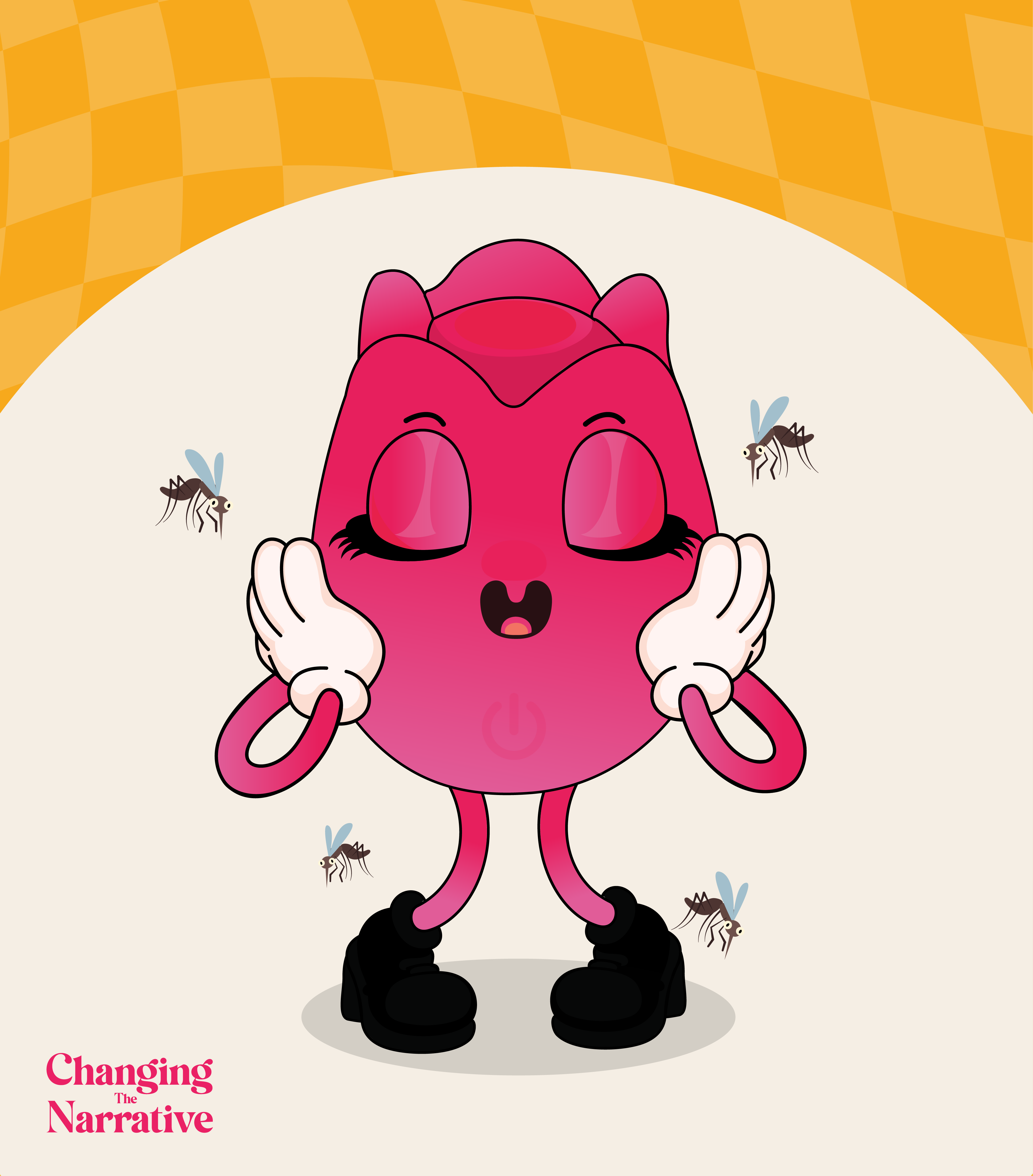
HIV is not transmitted by mosquitoes or other insects. The virus does not survive within insects, and therefore, cannot be passed to humans through insect bites.
Myth 2 Illustration
Myth 3 Illustration

Myth 3

HIV is a death sentence.

With early and effective treatment, individuals living with HIV can lead long and healthy lives. Antiretroviral therapy helps manage the virus effectively, preventing the progression to AIDS.

Myth 4

HIV can be spread through saliva, such as by sharing utensils or kissing.
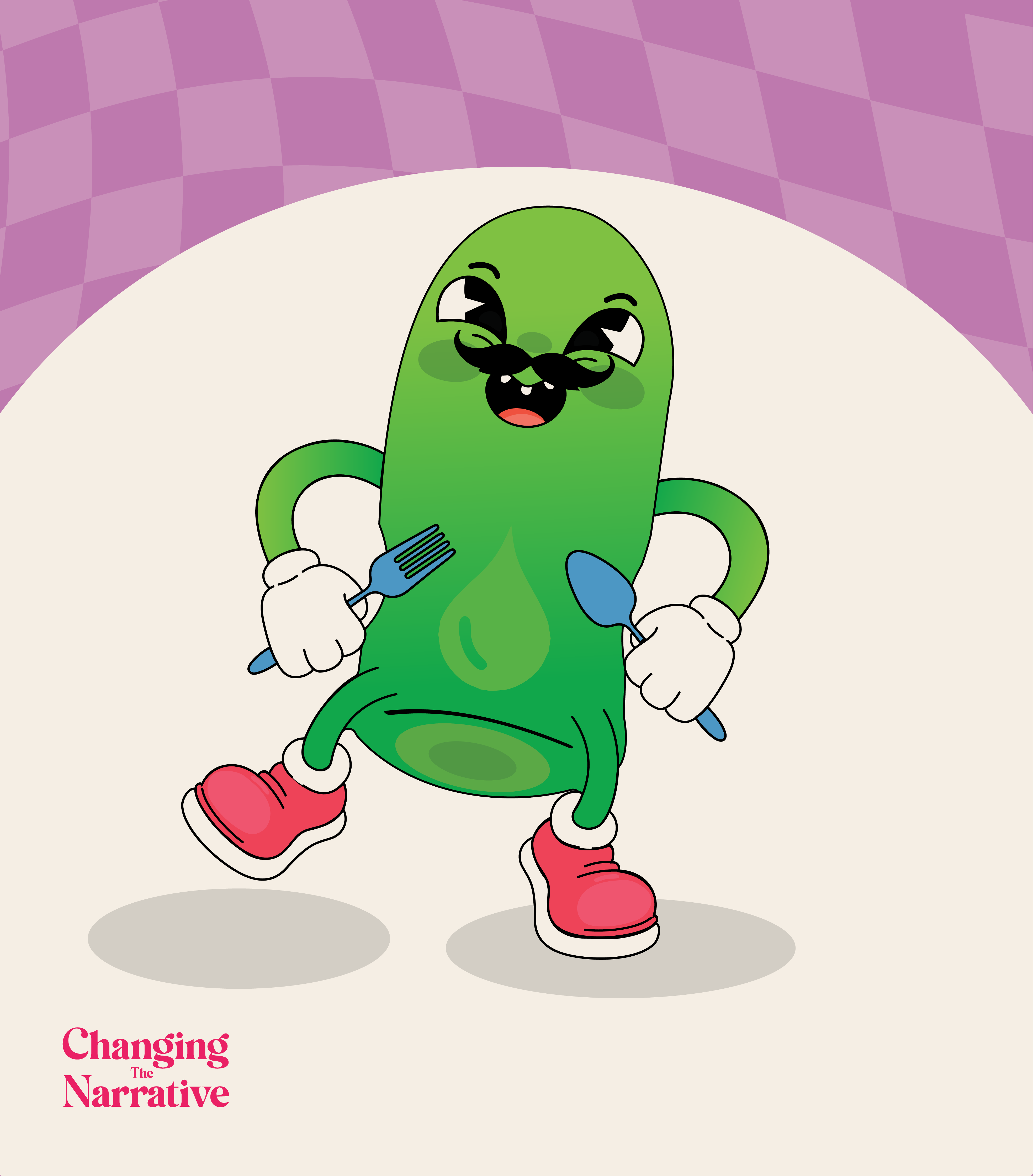
HIV is not transmitted through saliva. Sharing utensils, food, or engaging in closed-mouth kissing does not pose a risk of HIV transmission.
Myth 4 Illustration
Myth 5 Illustration

Myth 5

HIV only affects certain groups of people.

HIV can affect anyone, regardless of age, gender, or sexual orientation. While certain behaviors may increase risk, the virus does not discriminate based on demographic factors.

Myth 6

HIV and AIDS are the same thing.
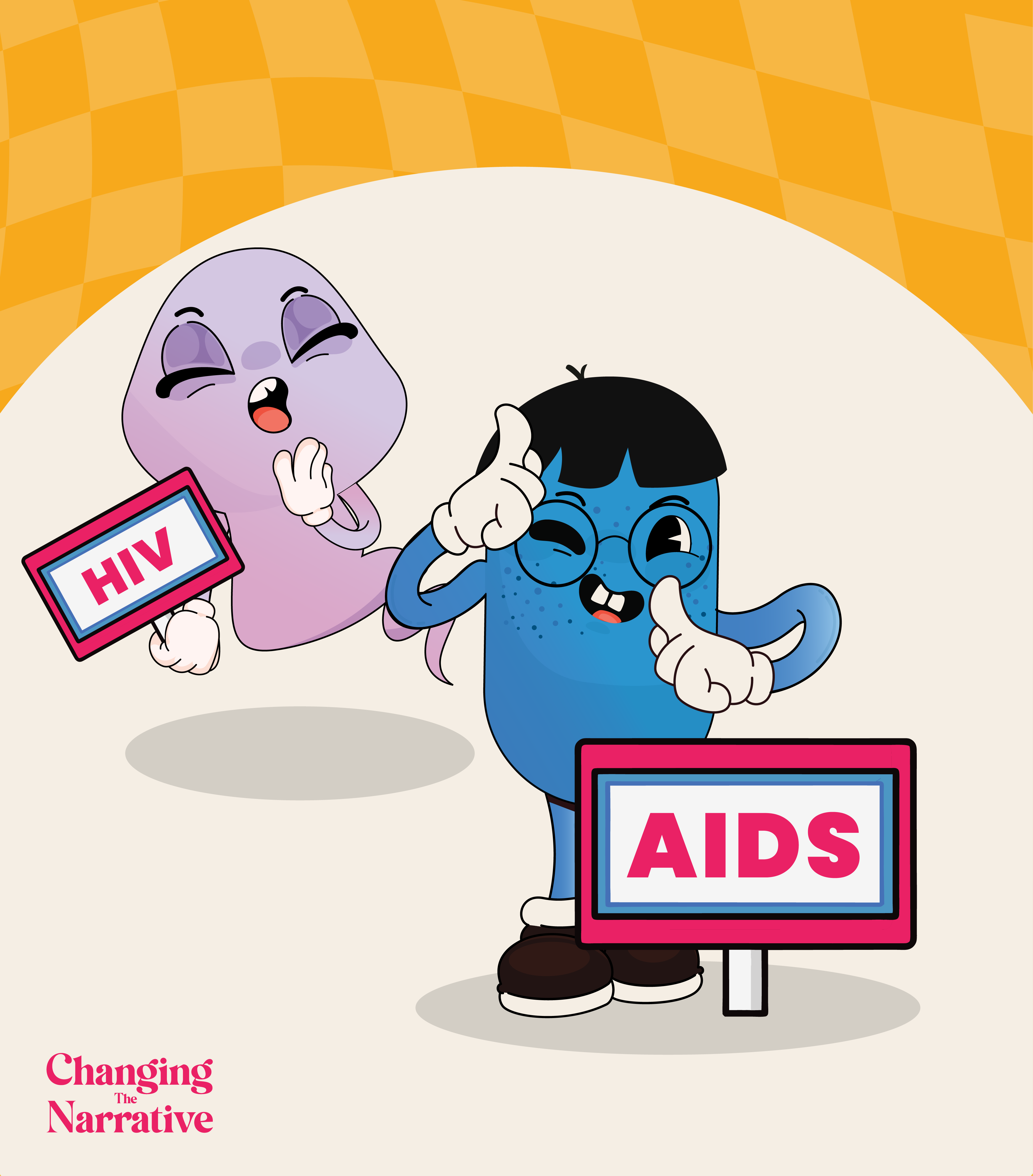
HIV is the virus that causes AIDS. AIDS (Acquired Immunodeficiency Syndrome) is the most advanced stage of HIV infection, characterized by a severely weakened immune system. Not everyone with HIV will develop AIDS, especially with proper treatment.
Myth 6 Illustration
Meet the Healthcare Professionals Meet the Healthcare Professionals Find Out More
Back to Home Top